
As the story of the horrific wildfire that swept through the Hawaiian town of Lahaina, Maui earlier this month continues to unfold, it’s impossible not to feel a sense of disbelief. While fires in California, throughout the western United States and most recently in Canada have been in the headlines for the past several summers now, the speed with which the Maui fire struck and the total devastation it has wrought brings to mind a comparison to the famous destruction of Pompeii in the 79AD eruption of Italy’s Mt. Vesuvius. One day Pompeii was a thriving city; the next day it was gone, snuffed out by the volcano in approximately 24 hours. Lahaina, the historic, cultural, and tourist heart of Maui has met a similar fate, though ironically not from an eruption in these volcanically active Hawaiian Islands, but by a combination of other natural forces: drought, fire, and hurricane-force winds.
It was only five years ago when lava flows from the Kilauea Volcano swept across the Big Island’s Puna District, swallowing up homes, roads, forests, and beaches. While the losses were tragic, one almost has to expect such risks on the flanks of one of the world’s most active volcanoes, and thankfully the lava flows moved at a pace that allowed people to evacuate and save many of their belongings. As someone who has spent a lot of time in that area, I was shocked and saddened by that event and tried to wrap my mind around the fact that so many places familiar to me were simply erased from the map. But never in my wildest imaginings would I have expected anything of the sort to happen over on Maui.
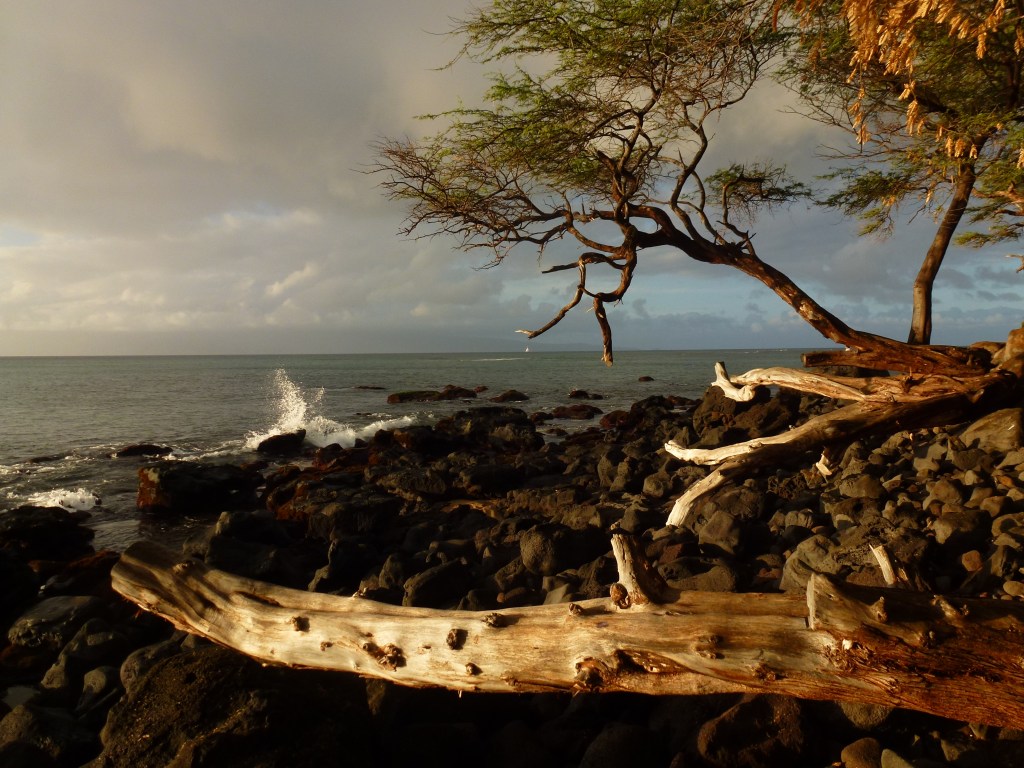
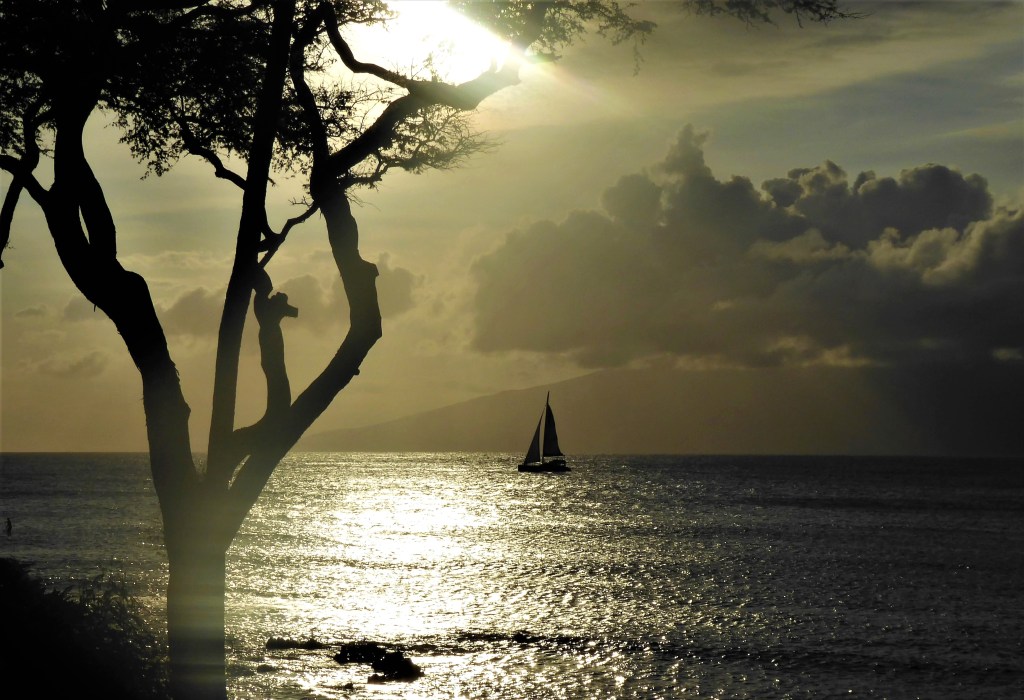
I have a long history with Maui. I first visited in 1997 and while I love all of the Hawaiian Islands, it was Maui that captured my heart and became my favorite. I visited the island once or twice a year for decades and have cumulatively spent about a year and a half of my life there. I always returned to West Maui, staying in Napili Bay, an idyllic beach community about 10 miles north of Lahaina. I rented a unit in the same condo complex each time and Napili was a quiet, peaceful retreat for me. I’d spend hours floating in the Bay and I have amassed a collection of hundreds of sunset photos taken at Napili, each one just a bit different than the next, yet all jaw-dropping. I made friends on Maui; it was a second home to me.
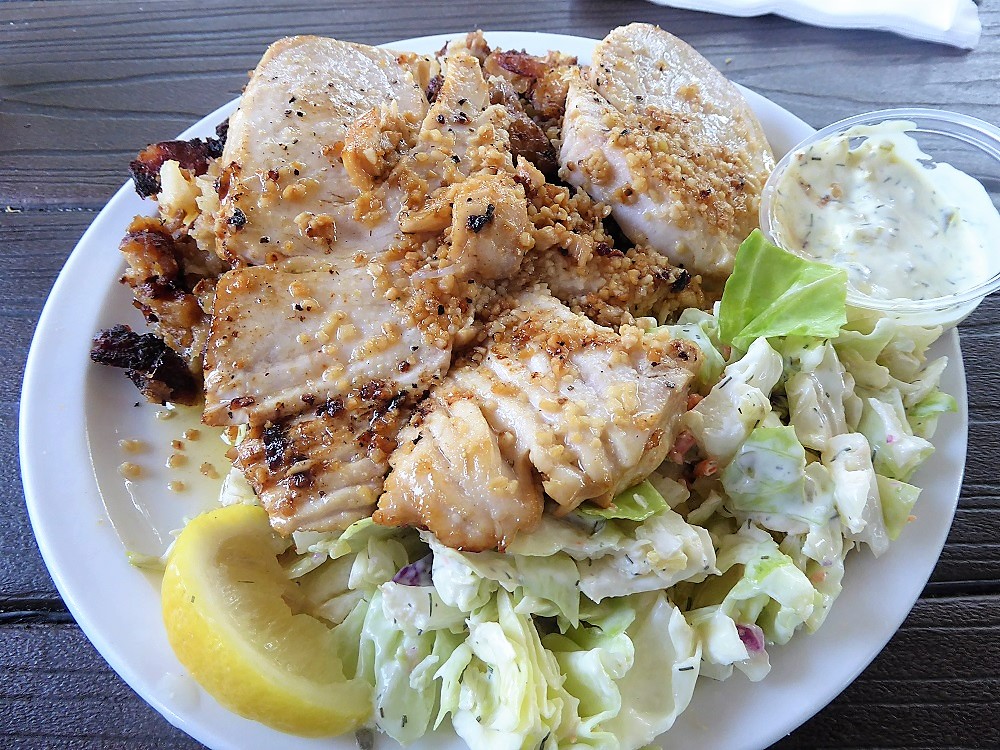
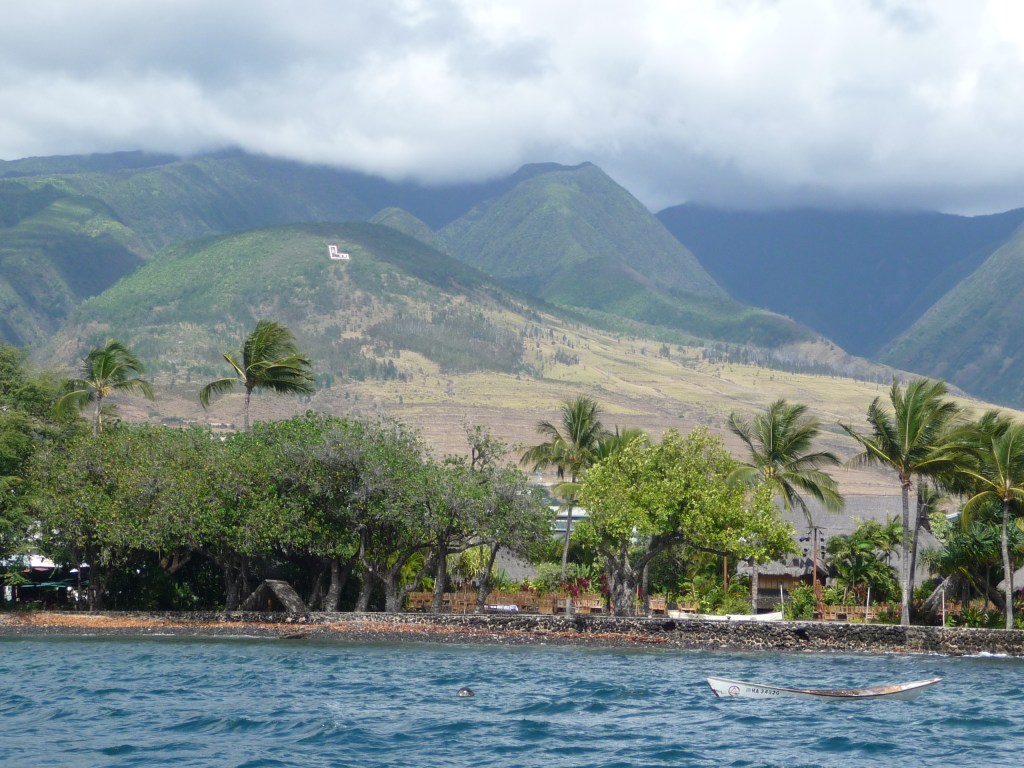
While I never stayed in Lahaina itself, the town was the epicenter of life on the island. I’d drive down the coast to visit one of its dozens of restaurants for lunches and dinners and celebrated several milestone birthdays with friends in those establishments. I bought my groceries and found souvenirs in Lahaina’s stores, attended musical performances and hula shows there, perused its art galleries, and just walked the length of Front Street to people watch and enjoy the laid-back vibe of the town. The 150-year-old banyan tree that takes up an entire city block was like an old friend. Of all the places I have traveled, Lahaina was one that I was most familiar with and where I always felt safe.
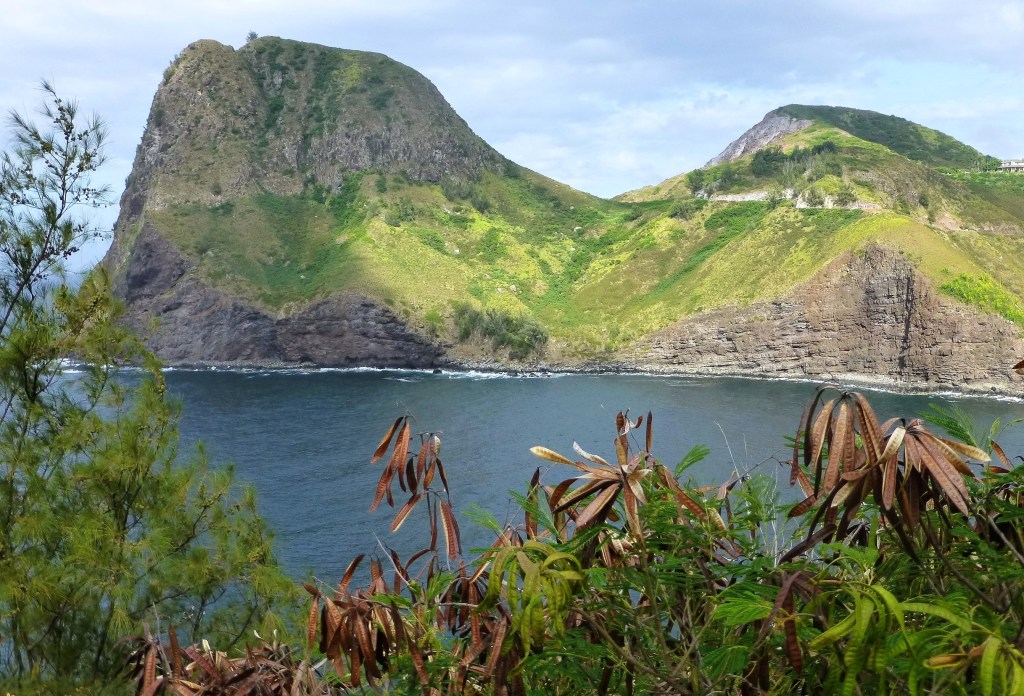
I cannot even begin to comprehend what those living in Lahaina or on Maui in general are living through right now. Part of me doesn’t even want to let my mind go there. I can only watch so much of the news coverage and then I have to turn away because it hurts too much, and I know that my sense of pain and loss is nothing compared to what those living there must feel. But I just felt the need to write this short blog post to express what I am feeling and to share some of the beautiful images of Maui that will always live on in my mind and in my heart.
Aloha.










Thanks for this. I only visited Maui, Lahaina once, but it was such a special place! Beautiful pictures. K
LikeLike
Thank you for the lovely reflections and wonderful pictures!
LikeLike